


Modern logistics is no longer simply about moving goods from one location to another. Today, successful supply chains depend on visibility, accurate information, intelligent planning and the ability to respond quickly when circumstances change. Technology-driven logistics brings these capabilities together, helping businesses create smarter, more reliable and more efficient operations.
From real-time shipment tracking and digital warehouse management to analytics and smarter route planning, technology is transforming how logistics providers manage increasingly complex supply chains. For businesses operating across the UK, Europe and international markets, this greater level of control can make a significant difference to performance, customer satisfaction and long-term growth.
What Is Technology-Driven Logistics?
Technology-driven logistics is the use of digital systems, data and connected tools to improve the planning, management and visibility of logistics operations. Instead of relying heavily on disconnected processes and manual updates, businesses can use centralised information to understand what is happening across their supply chain.
This can include shipment tracking, warehouse management systems, inventory visibility, transport planning, performance analytics and digital communication between different stages of the logistics process.
Smarter logistics starts with better visibility.
When businesses have access to accurate and timely information, they can make faster decisions, identify potential issues earlier and keep goods moving more efficiently.
Real-Time Tracking Creates Greater Visibility
Visibility is one of the most valuable advantages technology can bring to logistics. Businesses need to know where shipments are, whether they are progressing as expected and when they are likely to arrive.
Real-time tracking provides greater transparency throughout the movement of goods. Rather than waiting for manual updates, teams can access current shipment information and respond more effectively when something changes.
Improved tracking can help businesses:
- Monitor shipments throughout the transport process
- Provide customers with more accurate updates
- Identify potential delays earlier
- Improve coordination between teams and partners
- Plan receiving and distribution activities more effectively
Smarter Analytics Support Better Decisions
Logistics operations generate valuable data every day. Delivery times, routes, inventory movements, warehouse activity and shipment performance can all provide useful information about how a supply chain is performing.
Analytics can transform this operational data into actionable insight. Businesses can identify patterns, compare performance and understand where improvements may be possible.
Instead of making decisions based only on assumptions, logistics teams can use information to support better planning and more informed operational choices.
From Information to Action
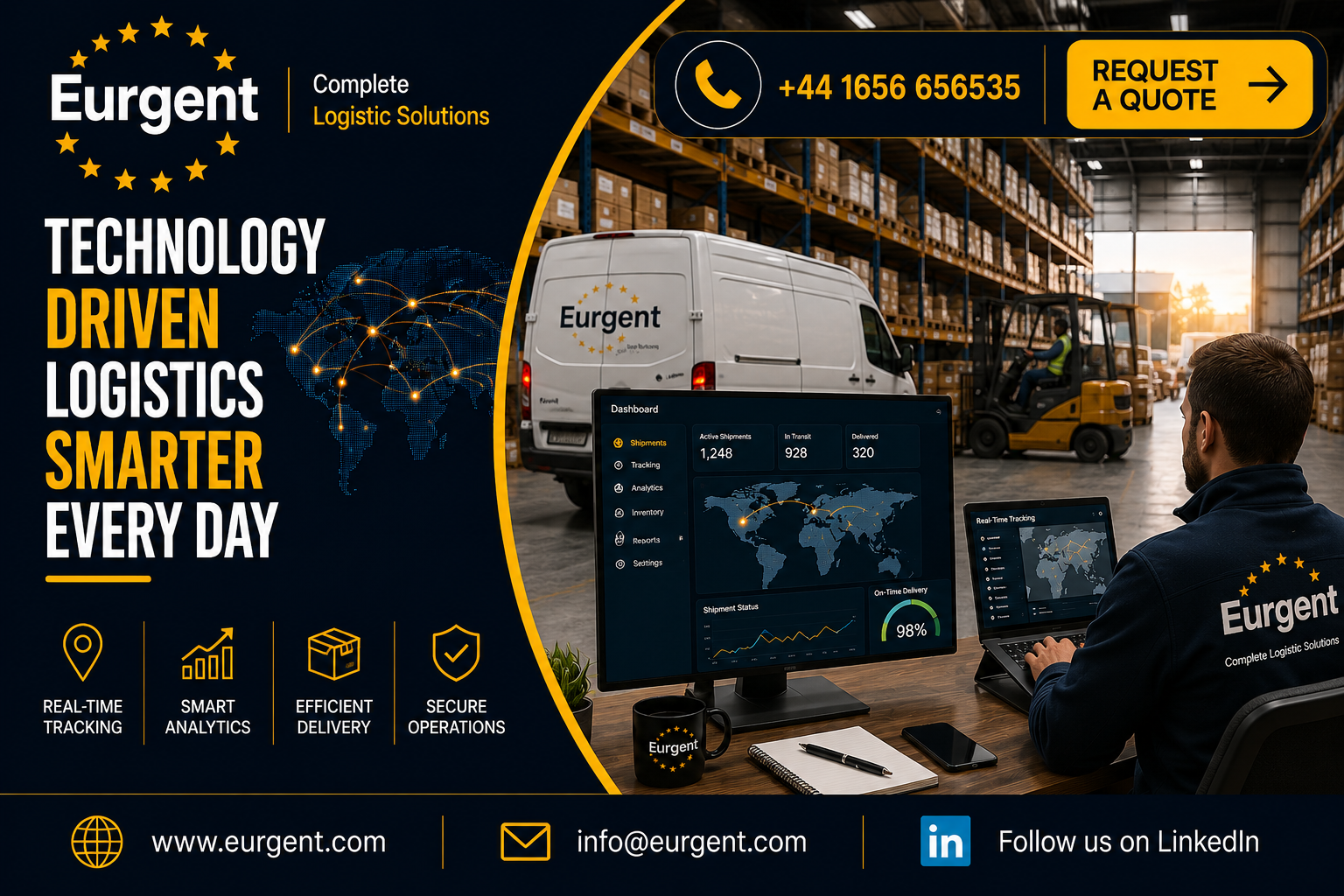
Data becomes most valuable when it helps people make better decisions. A clear logistics dashboard, for example, can provide an immediate overview of active shipments, deliveries, inventory activity and performance indicators.
That visibility allows teams to focus attention where it is needed most rather than spending unnecessary time gathering information from multiple sources.
Technology Makes Warehousing More Efficient
Warehousing plays a critical role in the wider logistics process. Poor inventory visibility or inefficient warehouse processes can create delays that affect the entire supply chain.
Digital warehouse management can help organisations maintain better control over stock, incoming goods, order preparation and outgoing shipments. Accurate information helps warehouse teams understand what is available, where it is located and what needs to happen next.
Technology-supported warehousing can contribute to:
- Improved inventory visibility
- More organised storage and stock management
- Faster order processing
- Better coordination with transport operations
- Reduced risk of avoidable errors
- More efficient use of warehouse resources
Better Planning Can Improve Delivery Performance
Every shipment involves multiple decisions. Transport method, route, timing, capacity, collection requirements and final delivery expectations all need to work together.
Digital planning tools can give logistics teams greater visibility across these different elements. When information is connected, it becomes easier to identify potential problems and adjust plans before those problems create larger disruptions.
Technology + Expertise = Smarter Logistics
Technology provides visibility and information, but experienced logistics professionals turn that information into action. Combining digital capability with practical expertise creates a stronger foundation for reliable logistics operations.
Connected Logistics Improves Communication
A supply chain may involve customers, warehouses, carriers, customs processes, suppliers and delivery teams. When information is fragmented, communication becomes slower and mistakes become more likely.
Connected logistics systems can help create a clearer flow of information between different stages of an operation. This supports better coordination and enables teams to respond with greater confidence when customers request updates or circumstances change.
Technology Helps Businesses Respond to Disruption
Delays and unexpected changes are part of logistics. Traffic disruption, capacity constraints, weather conditions, customs issues or changes in customer requirements can affect even carefully planned shipments.
Technology cannot eliminate every disruption, but it can help businesses identify issues sooner and respond more effectively. Earlier visibility gives logistics teams more time to assess alternatives, communicate with customers and adjust plans where possible.
That ability to respond quickly is increasingly important in supply chains where customers expect both speed and transparency.
Smarter Logistics Can Support Business Growth
As businesses grow, their logistics requirements often become more complicated. Shipment volumes increase, new markets are introduced and more suppliers, warehouses or distribution points may become involved.
Technology can make this complexity easier to manage by providing scalable systems and clearer operational visibility. Businesses can monitor larger networks without losing the level of control needed to maintain reliable service.
This makes logistics technology more than an operational tool. When used effectively, it can become part of a broader growth strategy.
Technology Should Support People, Not Replace Expertise
Powerful systems are valuable, but logistics still depends heavily on experience, communication and practical decision-making. A dashboard may highlight a delay, but experienced professionals determine the best response. Tracking may provide visibility, but strong customer service ensures that information is communicated clearly.
The most effective logistics operations therefore combine technology with human expertise. Digital tools improve visibility and efficiency while knowledgeable teams provide judgement, flexibility and personal support.
Building a Smarter Supply Chain
Businesses looking to improve their logistics operations do not necessarily need to transform everything at once. The strongest approach is often to identify the areas where greater visibility or efficiency would create the greatest immediate value.
This might involve improving:
- Shipment visibility and tracking
- Warehouse and inventory management
- Transport planning
- Performance reporting
- Communication between logistics partners
- Customer shipment updates
Once these foundations are in place, businesses can continue developing a more connected and data-informed logistics operation.
Smarter Every Day
The future of logistics will increasingly be defined by connectivity, visibility and intelligent decision-making. Businesses that understand their supply chains in real time are better positioned to manage disruption, improve efficiency and deliver the level of service customers expect.
Technology alone is not the goal. The goal is to use technology to make logistics simpler, clearer and more effective.
By combining modern logistics technology with practical expertise and responsive support, businesses can build supply chains that are ready for today’s requirements and tomorrow’s opportunities.
Technology-Driven Logistics. Smarter Every Day.
Need a logistics solution built around visibility, reliability and your business requirements? Talk to Eurgent about smarter logistics support. Request a Quote
Frequently Asked Questions
What is technology-driven logistics?
Technology-driven logistics uses digital tools, tracking systems, data and connected platforms to improve visibility, planning, communication and efficiency throughout logistics operations.
Why is real-time tracking important?
Real-time tracking gives businesses greater visibility over shipment progress, helping teams provide better updates, identify potential delays and coordinate operations more effectively.
How can technology improve warehouse operations?
Digital warehouse systems can improve inventory visibility, stock organisation, order processing and coordination between warehousing and transportation activities.
Can logistics technology help reduce delays?
Technology cannot prevent every disruption, but improved visibility can help teams identify problems earlier and make faster decisions about alternative arrangements or corrective action.
Does technology replace logistics professionals?
No. Technology provides information and operational tools, while experienced logistics professionals provide judgement, communication, problem-solving and the flexibility required to manage real-world situations.
Eurgent – Complete Logistic Solutions
Technology-driven logistics designed to improve visibility, efficiency and control across modern supply chains.