


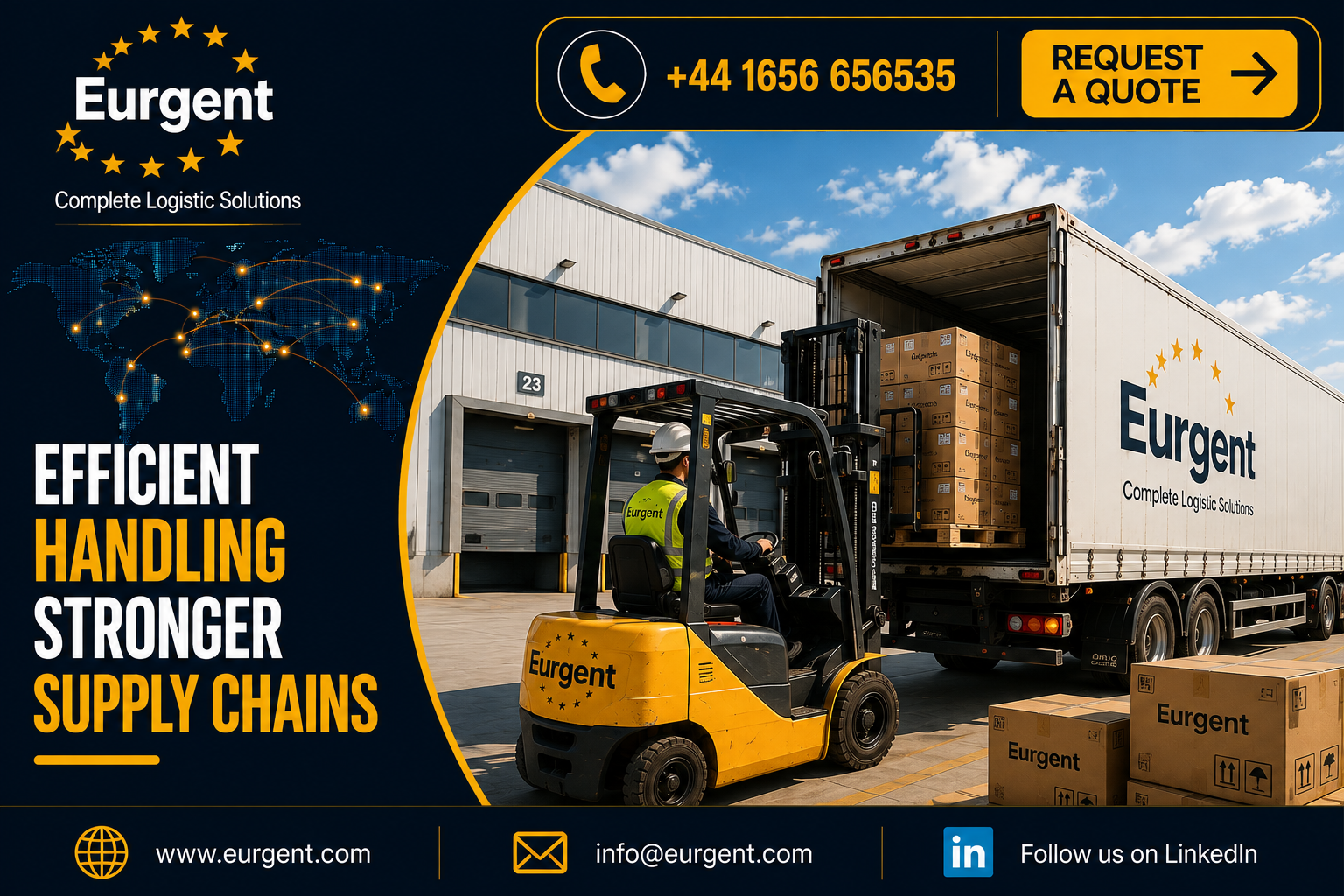
Strong supply chains are built on more than transportation alone. Every successful delivery depends on how efficiently goods are received, handled, stored, prepared and moved through each stage of the logistics process.
For businesses operating across competitive and time-sensitive markets, efficient cargo handling can make the difference between consistent delivery performance and costly disruption. A well-managed logistics operation reduces unnecessary delays, improves visibility and helps products move smoothly from warehouse to final destination.
Why Efficient Handling Matters
Every additional delay, unnecessary movement or communication gap within a supply chain can create additional cost. Efficient handling focuses on making each stage of the process more organised, predictable and responsive.
From warehouse operations and loading procedures to transportation coordination and final delivery, businesses benefit when every part of the logistics journey works together.
- Reduced loading and unloading delays
- Better protection of goods during movement
- Improved warehouse and transport coordination
- Greater visibility across the supply chain
- More reliable delivery schedules
- Better use of available resources
Creating a Connected Supply Chain
A strong supply chain should operate as one connected system rather than a collection of separate activities. Warehousing, freight movement, documentation, scheduling and delivery all need to work together.
When these processes are properly coordinated, businesses gain greater control over their logistics operations. Teams can respond more quickly to changing requirements while customers receive a more consistent and dependable service.
Smarter Warehouse and Cargo Operations
Warehouses are an important link between suppliers, transport networks and customers. Efficient warehouse handling helps ensure that goods are ready when required and can move quickly into the next stage of their journey.
Clear processes for receiving, organising, picking, loading and dispatching cargo can reduce unnecessary handling and help prevent avoidable errors. Combined with experienced logistics coordination, this creates a more efficient flow of goods throughout the supply chain.
Visibility Supports Better Decisions
Modern logistics requires businesses to understand what is happening across their supply chain. Better visibility allows teams to identify potential delays earlier, coordinate resources more effectively and keep customers informed.
When operational information is available at the right time, logistics teams can make faster decisions instead of reacting after problems have already affected delivery schedules.
Reliability Through Better Coordination
Reliable logistics depends heavily on communication. Drivers, warehouse teams, freight partners, suppliers and customers may all be involved in a single shipment.
Effective coordination ensures that everyone understands what needs to happen and when. This reduces confusion between different stages of the journey and helps shipments continue moving even when requirements change.
Building Supply Chains for Growth
As businesses grow, logistics requirements often become more complex. Higher shipment volumes, additional destinations, changing customer expectations and tighter delivery schedules can place greater pressure on existing operations.
A flexible logistics structure makes it easier to respond to these changes. Rather than relying on disconnected solutions, businesses can develop a coordinated approach capable of supporting both current requirements and future expansion.
The Value of an Experienced Logistics Partner
Working with an experienced logistics provider can help businesses simplify complex transport and supply chain requirements. The right partner brings together operational knowledge, transport coordination and practical solutions designed around each shipment.
Eurgent focuses on complete logistics solutions that help businesses move goods efficiently while maintaining the flexibility required in modern supply chains. From everyday freight requirements to more complex logistics challenges, effective planning and handling remain central to dependable results.
Build a Stronger Supply Chain
Efficient handling creates stronger logistics. With better coordination, greater visibility and dependable transport solutions, businesses can reduce disruption and keep goods moving with confidence.
Plan smarter. Handle efficiently. Deliver reliably.
Frequently Asked Questions
What is efficient logistics handling?
Efficient logistics handling is the organised management of goods throughout receiving, storage, loading, transportation and delivery, with the aim of reducing delays, unnecessary movement and operational errors.
How can better handling improve supply chain performance?
Better handling can improve turnaround times, reduce disruption, protect cargo and create smoother coordination between warehouses, transport providers and delivery destinations.
Why is supply chain visibility important?
Visibility helps logistics teams understand shipment progress, identify potential issues earlier and make informed decisions when schedules or requirements change.
Can flexible logistics support business growth?
Yes. Flexible logistics allows businesses to adapt transportation and handling requirements as shipment volumes, destinations and customer expectations change.
What should businesses look for in a logistics partner?
Businesses should consider reliability, communication, operational experience, flexibility and the provider’s ability to coordinate different stages of the supply chain effectively.